




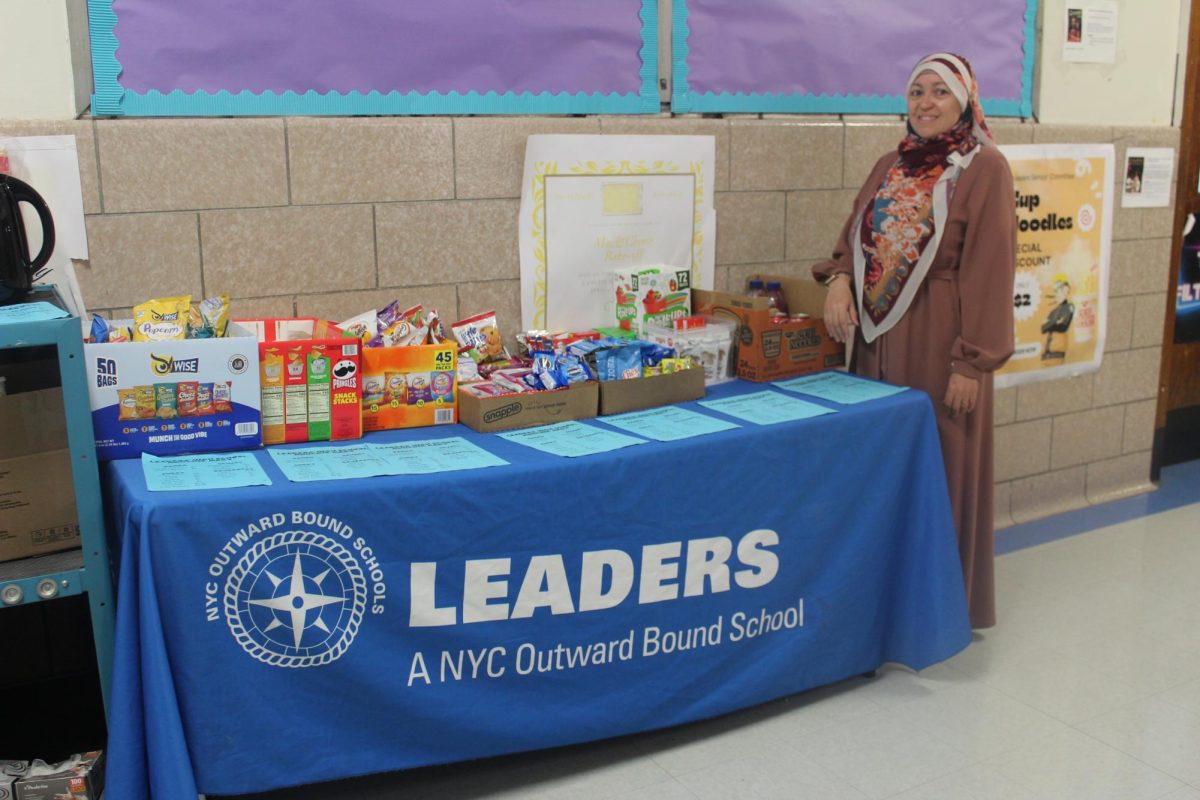






Snack sales at Leaders High School might seem small, but for many students, they raise bigger questions about responsibility, fairness, and choice. Whether it’s grabbing chips during lunch or a drink after class, snacks are a part of daily school day. Still, many freshmen wonder if the way snack sales are run could be improved for the students.
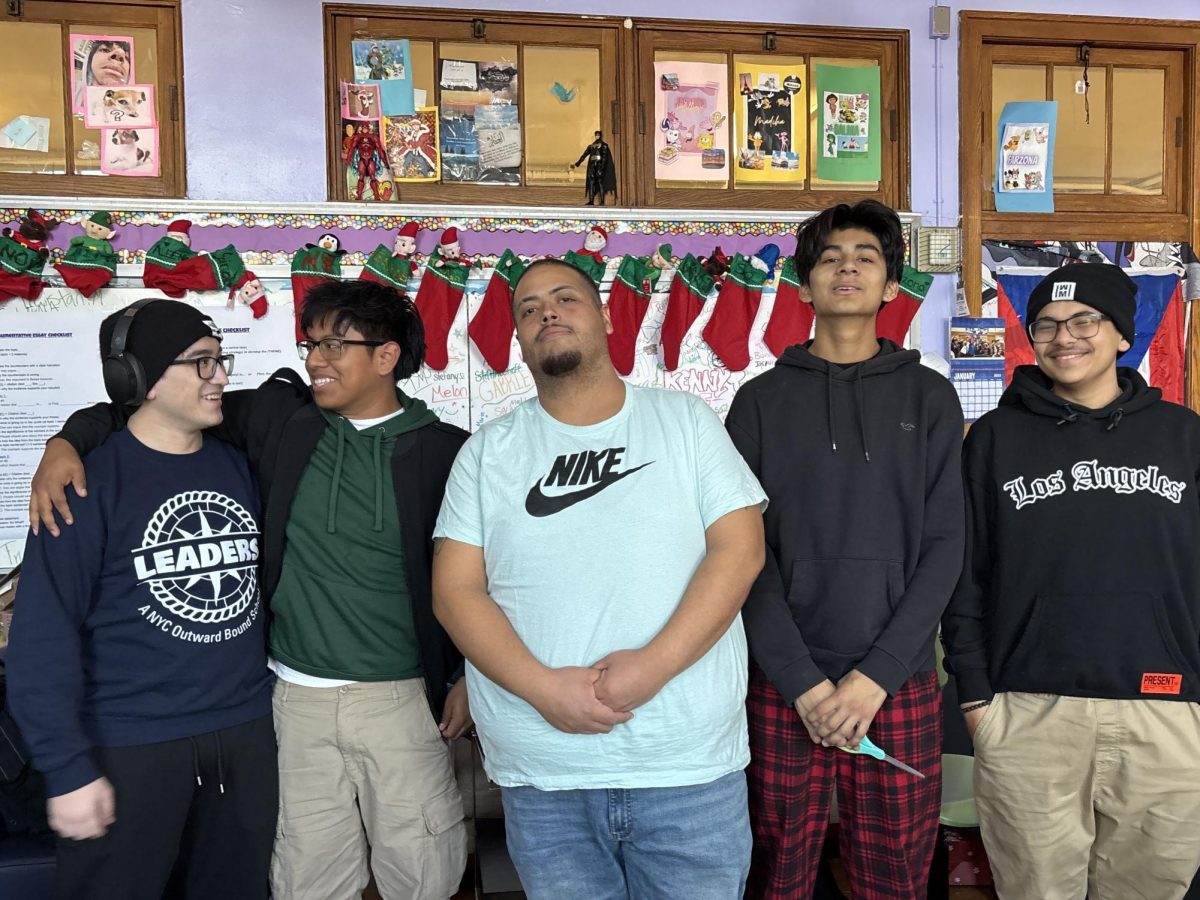
Currently, teachers or staff handle snack sales, often to raise money for school programs, clubs, or field trips. But students think there’s room for change. “I think students should be selling the snacks because it helps us learn responsibility and it just feels fair since we’re the ones buying them,” said Max Mendez, a freshman at Leaders.
Other students agreed. “Students could sell snacks with adult supervision, or maybe a student-run club could help organize it,” said Noah Mccauley, also a freshman.
Hayydan Quiroz added, “If we work as a team and have guidance, we can definitely manage the snack sales.” Giving students more responsibility could also help them develop leadership skills.
Snack choice is another important issue to some students. Students still enjoy chips, candy, and cookies, but many want healthier options too. “Most students like junk food, but we also like things like fruit cups, granola bars, and yogurt if they’re going to become a thing,” Max explained. And Noah said, “It’s important to have options for people with allergies or special diets so everyone can eat something.”
Students also talked about making snack sales more eco-friendly. “We could use compostable or recyclable packaging instead of plastic all the time,” Max said. Noah suggested adding recycling bins or encouraging reusable containers. “It would cut down on waste and make snack sales more sustainable,” he said.
Timing and pricing were other concerns. Hayydan said, “Selling snacks on certain days of the week might help avoid food waste and keep it exciting.” Max added, “Prices shouldn’t be too high. The school could buy in bulk or offer cheaper options for students who need it.” Noah agreed that offering snacks at different price levels would make sales more fair and accessible.
Some students even suggested creating a student snack committee to help choose what snacks get sold. Others had creative ideas, like a weekly snack subscription box or partnering with local businesses. “Local stores or bakeries could donate snacks or sell them at lower prices,” Noah said. “It helps the school and supports the community too.”
Even though snack sales might seem minor, students clearly care about how they’re run. From leadership opportunities to healthier choices and fair pricing, freshmen want a bigger voice in everyday school decisions.
In my opinion, I agree with the students who think snack sales should be more student-led. With teacher supervision, students could learn responsibility while making the system more fair and inclusive. Snack sales may not seem important at first, but improving how they are managed could make school better for everyone.