


























Assessments at Leaders are important for students to see where they are at academic level wise. Whether it’s a math test, a group project, or a class presentation, students are always working on something to show what they’ve learned. Some people see them as stressful, while others think they actually help. Either way, assessments play a huge role in how students learn and grow at Leaders High School.
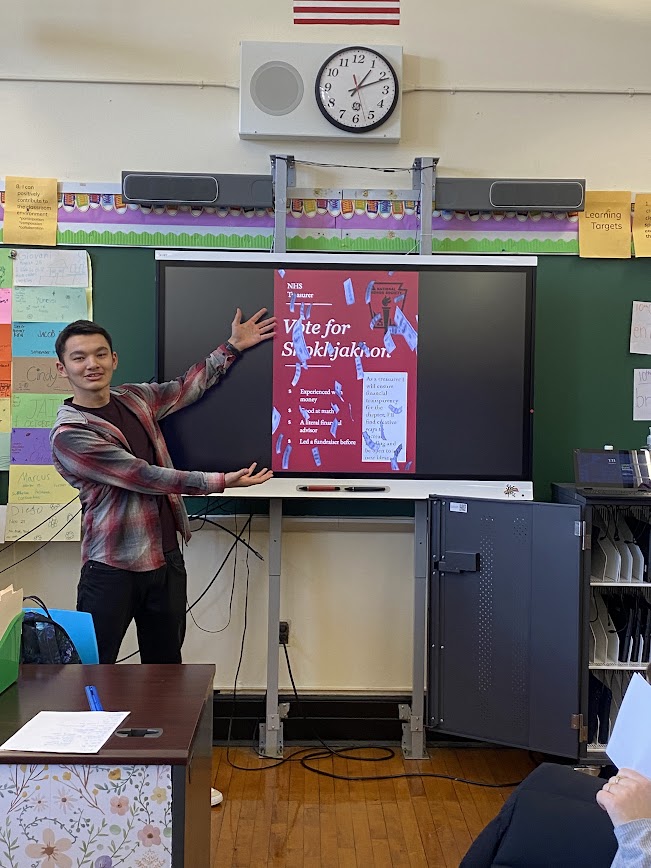
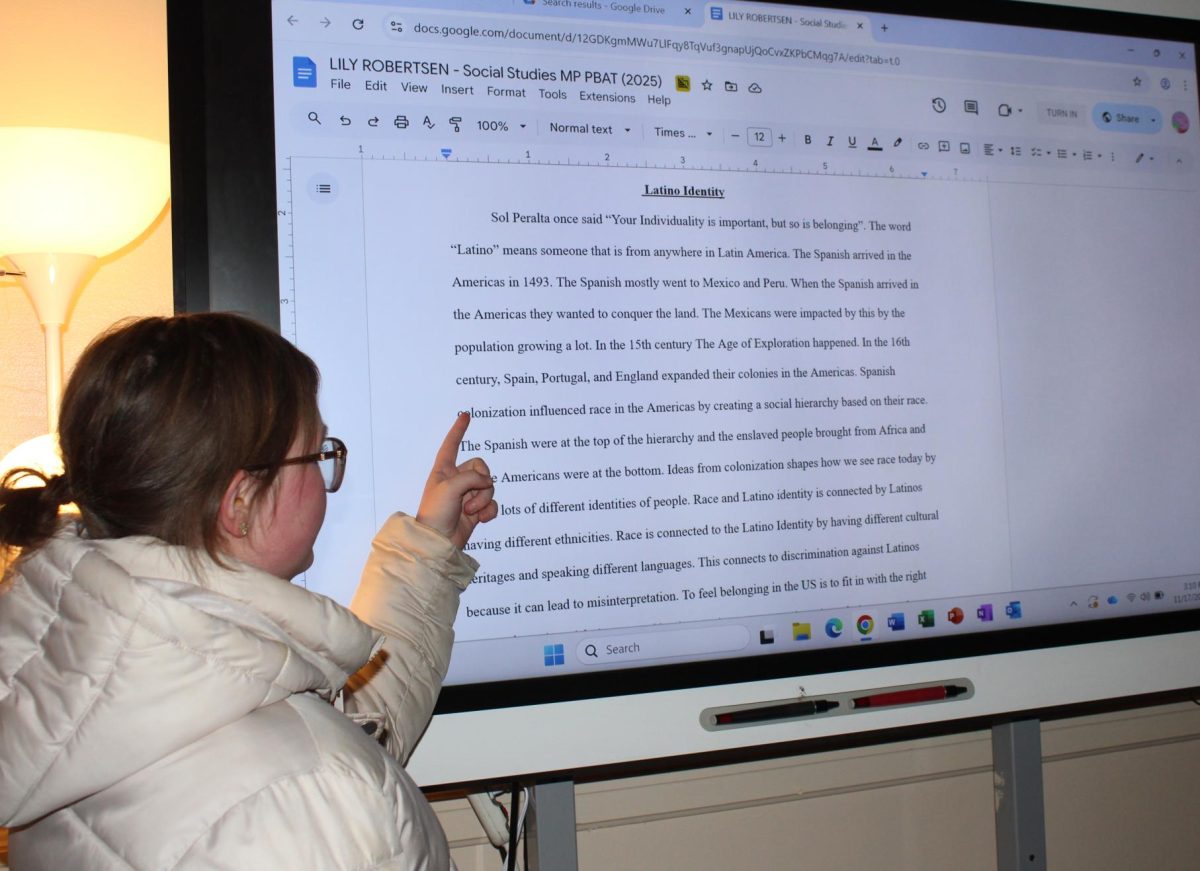
At Leaders, there is not just one kind of assessment. There are written tests, group projects, presentations, and sometimes even portfolios. “It’s never just one type of thing,” Yoana, a junior at Leaders, said. “Like in English we might do essays and speeches, but in math it’s all about problem-solving and tests.” This variety of assignments helps students show their skills in different ways instead of only through exams.
The school’s goal is to measure more than just what students can memorize. Many teachers say they want students to show creativity and real understanding of the material, not just repeat information from notes.
But that doesn’t mean it’s easy. Balancing different subjects and deadlines can get tough. “Sometimes it feels like everything’s due in the same week,” Kevin Pina-Inga, a twelfth grader said. “It gets super stressful, especially when you’re trying to balance homework and after-school stuff.” Even though students often feel the pressure, they also admit that completing assessments feels good in the end. “It’s nice to get it done,” one Yoana said. “You feel proud that you made it through.”
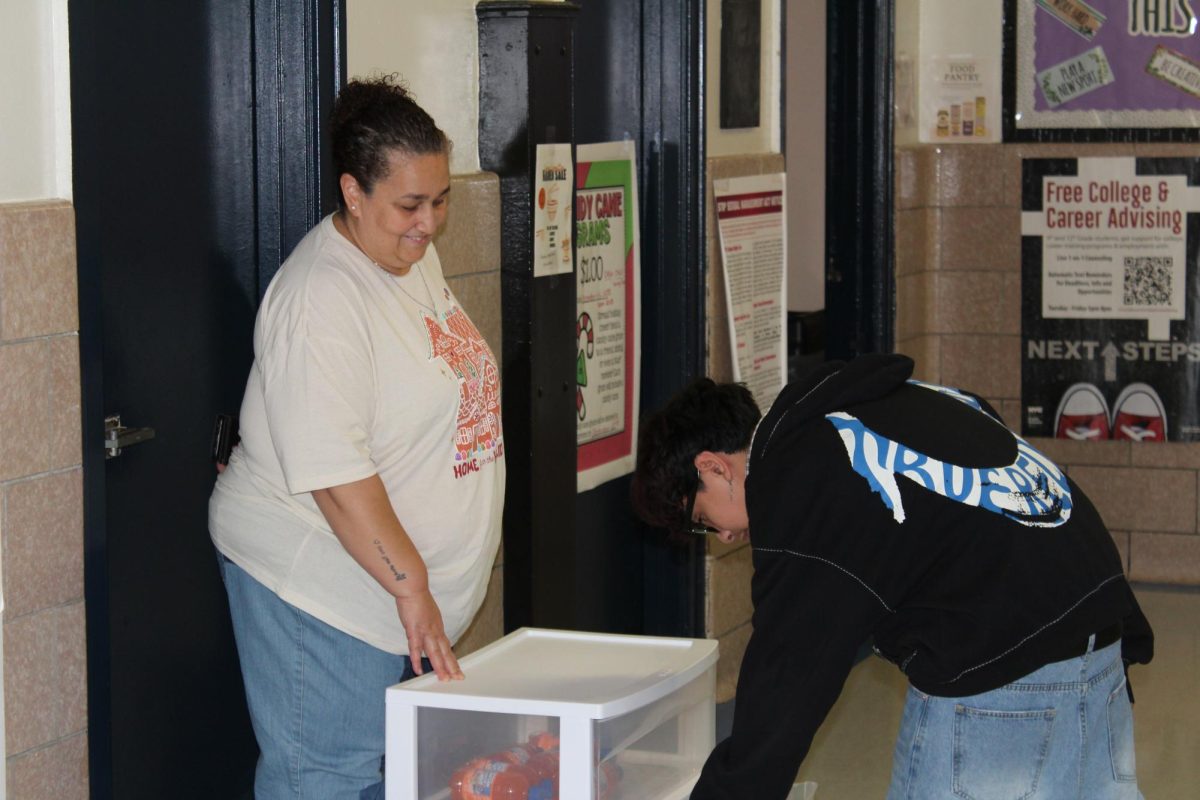
Teachers try to make the process as fair and helpful as possible. Most use rubrics so everyone knows what’s expected before starting. “Our teachers are actually pretty good about feedback,” Yoana said. “They tell us what we did well and how we can do better next time.” Some teachers even stay after school to help students study or review hard topics before big exams. “It’s nice when teachers take extra time for us,” Kevin shared. “It makes you feel like they actually care.”
Assessments are not exactly the same in every subject either. In science, students might have to write lab reports or present experiments. In English, it’s more about essays, creative writing, or speaking. “Each class does it differently,” one Yoana said. “It keeps things interesting but also kind of stressful because you always have to switch your focus.”
Even with the stress, most students believe the assessments help them grow. “Some of the projects really make you think outside the box,” Kevin said. “It’s more creative than just taking a test.” Many students also say that the process teaches them time management and responsibility. After finishing, they often look back on how they did and what they could improve next time. “It helps to see where you messed up and fix it,” Yoana said. “You actually learn from it instead of just moving on.”
Assessments at Leaders are more than just a grade on Jumprope (grading app for students at leaders). They show how students are improving, learning, and pushing themselves to do better. “Yeah, it’s stressful,” Yoana said, “but it’s also I guess helpful to see how far you’ve come.”
In my opinion, I agree with many of the students who say assessments are more helpful than harmful. Even though they can be difficult, assessments that involve projects, collaboration, and real understanding feel more meaningful than traditional tests that rely only on memory. Tests can sometimes feel frustrating, especially when one score has a big impact on your grade. But when you work with others, learn from your mistakes, and apply what you’ve learned, the process becomes much more valuable. That’s why I think assessments at Leaders, especially the creative and collaborative ones are an important and helpful part of learning.