





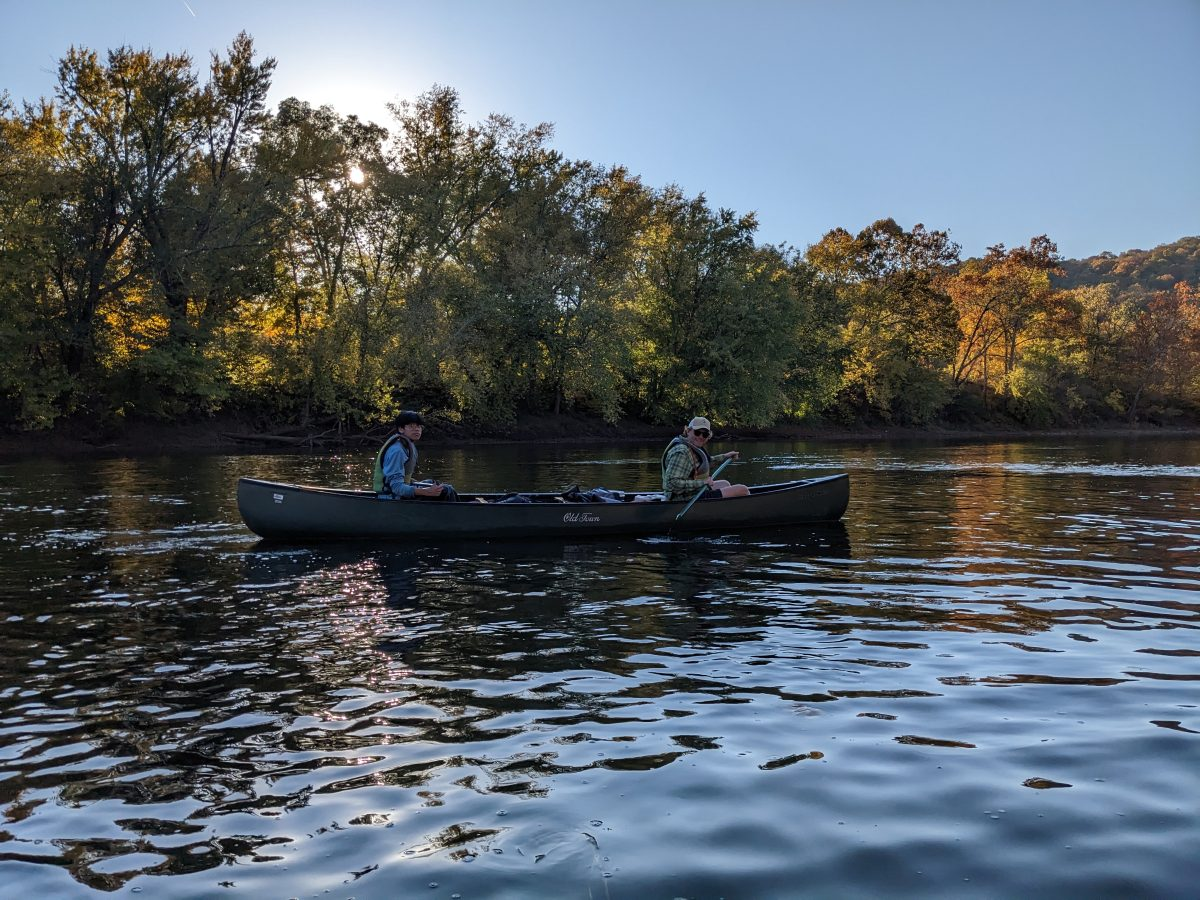





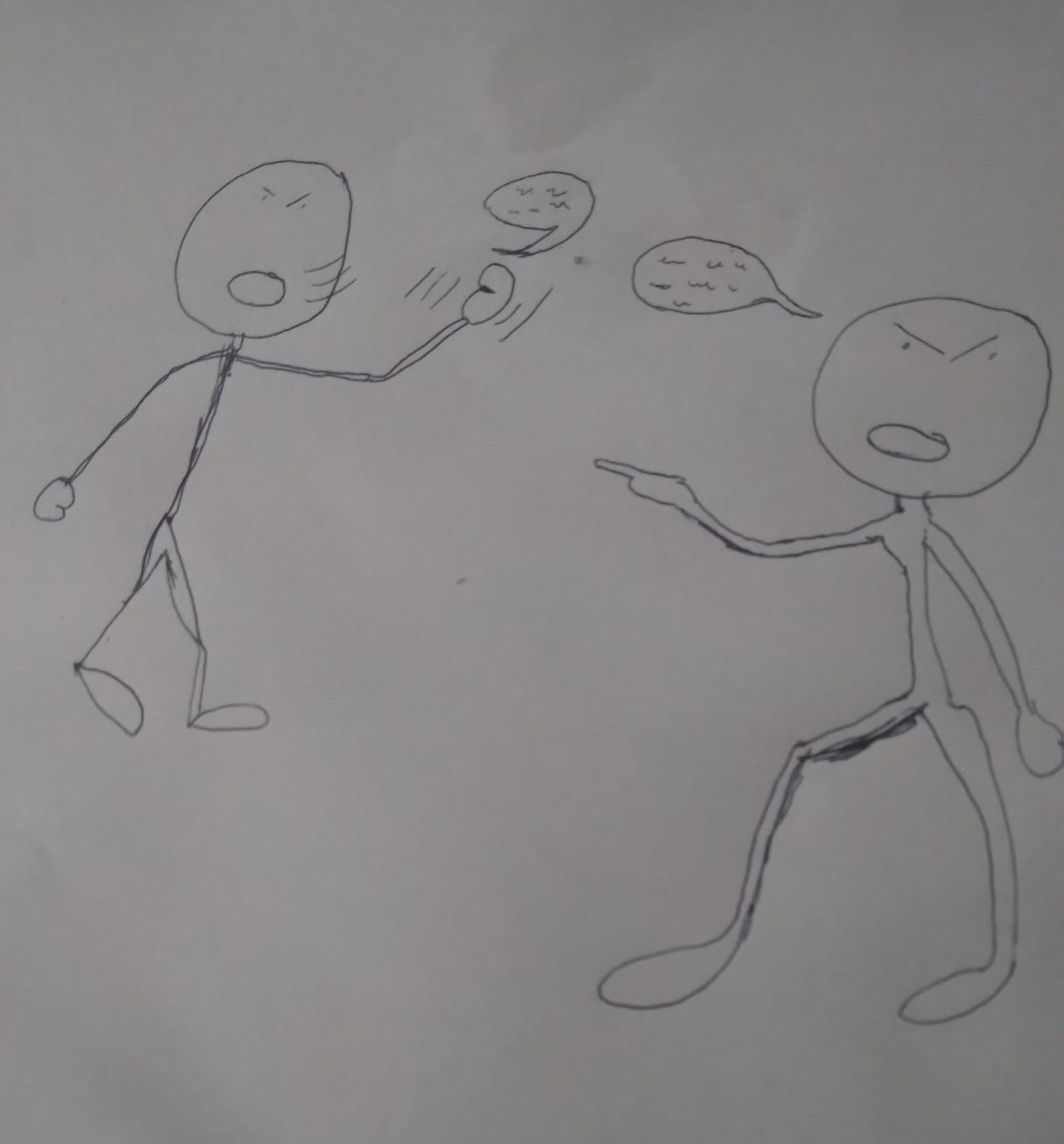



With the excitement building for the school camping trip, many parents wonder the same thing: what do teachers intend to do to keep the kids safe in the wilderness? Given the uncertainties of weather, the chances for injury, the difficulties of living in the wilderness, and no phones being allowed, safety is the first consideration of both staff and instructors.
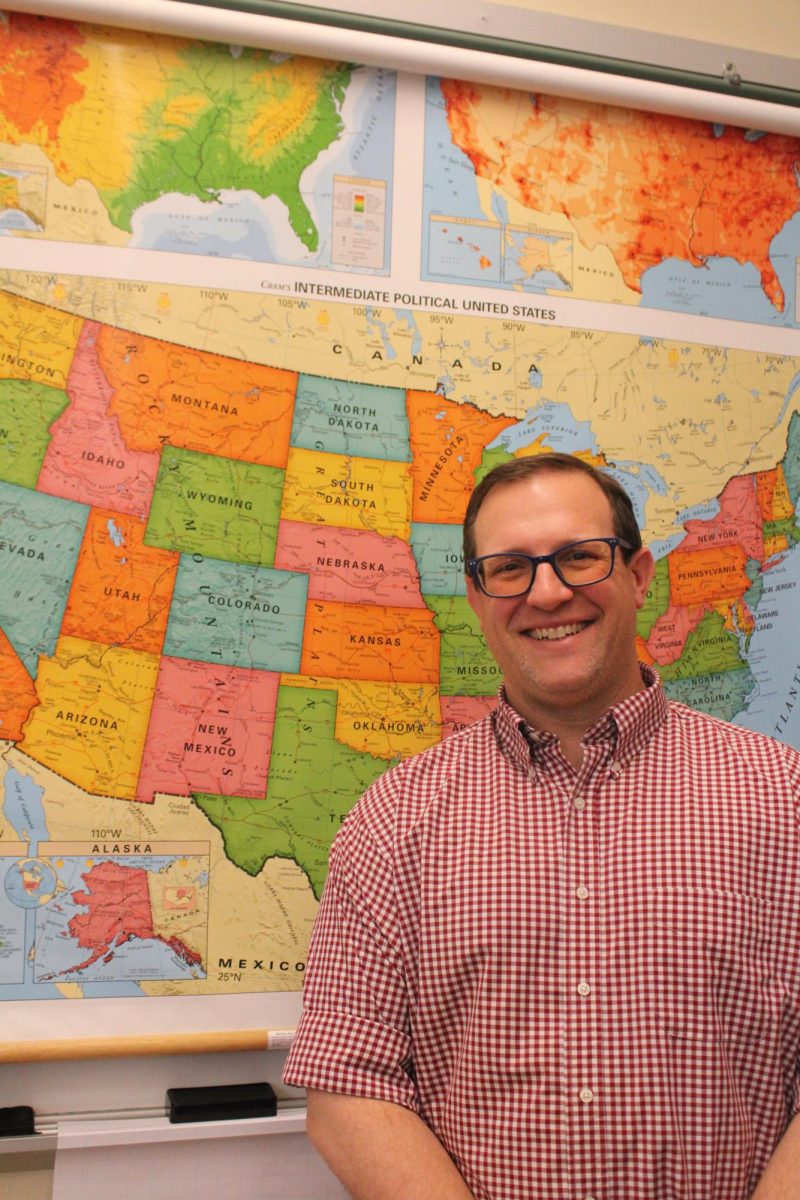
Vincent Ricco, one of the crew leaders in charge, emphasized on preparation and co-operation. “The outdoor instructors are all highly trained. They know how to manage injuries on the spot. One of my students had a sore ankle—a teacher checked it thoroughly examining whether it was a real injury or if it was just hurting. Another student fell and cut her lip, and they looked after it right off and made certain that she was all right.”
He called attention to the fact that both teachers and outdoor attendants were trained practically not to manage physical injury alone, but other emergencies, such as mental breakdowns or allergic reactions. “If someone had a panic attack, we’d talk to them, support them, and call for professional help if needed. As for allergies, there were plenty of EpiPens, and everyone knew how to use them.”
Ricco added that there are rules in place if students get lost. “Everyone had a whistle. The rule was simple, if you get lost, stay where you are, whistle, call your name and crew, and wait. Those whistles can be heard a long way into the woods.”
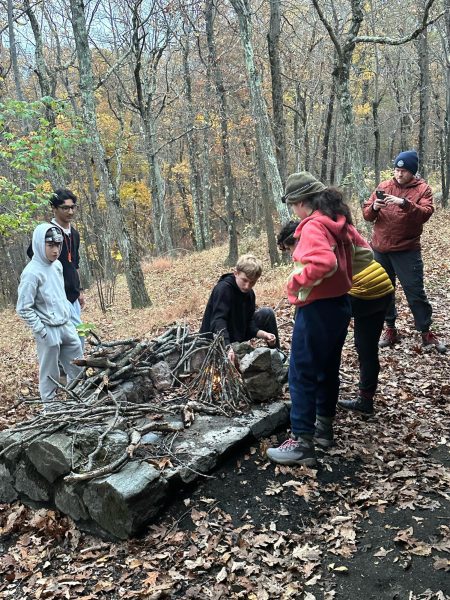
Esther Martial, who leads a ninth-grade group, explained her first step if any student were to start going through mental emergencies. “So first thing would be to identify what the problem is happening at the moment, what’s what’s happening, with the student, to then figure out, okay, is this something that we can isolate again, always not trying to create a panic?” she said. “And two, identifying what might have triggered the actual situation based on that, we would then know how to proceed. Because quite often, just reacting without understanding what initiated or what first started it could sometimes make the problem worse.”
She also discussed detailed systems for lost-student scenarios. “We used the buddy system and taught students to always stay within sight and sound. If someone didn’t respond to their name, they’d blow their whistle three times, wait for a response, and repeat if needed. Without their whistle, they’d still be expected to stick with a buddy—wandering off alone wasn’t an option.”
Martial said mental health awareness was a major part of safety planning. “If a student began experiencing anxiety or another mental issue, the first step would be to identify the trigger and keep the group calm. Jumping to conclusions without understanding what’s happening can make things worse.”
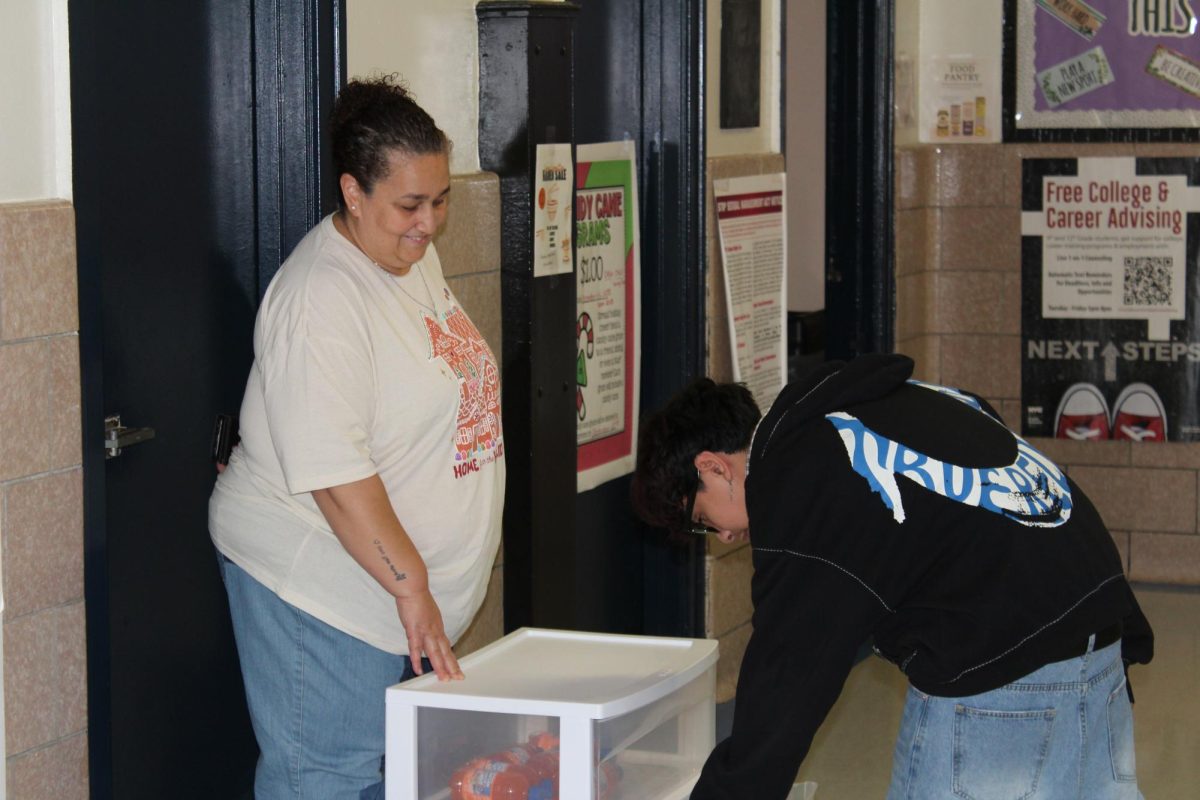
She also noted that medical precautions were built into the trip from the start. “We reviewed every student’s medical record. Those with allergies carried two EpiPens—one with them and one with staff. We checked that everyone still had their medication throughout the trip.”
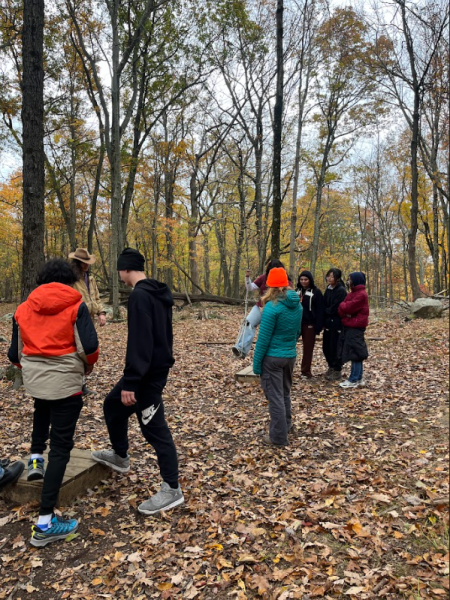
Elle Ferguson shared a calm and steady approach to emergencies. “If a student got hurt, I’d have them stay still and get the instructors right away,” she explained. “If someone was lost, I’d report it immediately, take a headcount, and keep the rest of my group together while the camp staff searched.”
Ferguson was also prepared for mental health or allergic emergencies. “If a student was panicking, I’d help them breathe and talk through it. But if it got serious, we’d involve the instructors. And if someone had an allergic reaction, they’d use their EpiPen while I supervised.”
Thankfully, these safety measures proved effective. Ferguson shared that one of her students twisted an ankle on the last trip and recalled that staff quickly responded. “She made me take off my shoe and sock—it was freezing—but she bandaged it up,” the student said with a laugh. “It hurt at first, but they helped me a lot. My foot’s fine now.”
Every teacher agreed that preparation and communication were the most important safeguards. From first aid kits and mental health awareness to buddy systems and whistles, the layers of safety reflect careful planning. As Martial summed up, “The goal isn’t just to explore the outdoors—it’s to make sure every student comes back safe, confident, and proud of what they accomplished.”